Just hours after a Texas jury sentenced Tanner Horner to death, the former FedEx delivery driver was transferred directly to the Polunsky Unit, the state’s infamous death row facility near Houston, where condemned prisoners spend nearly every hour of their lives sealed inside tiny concrete isolation cells.

The prison is designed around extreme isolation. According to reports, inmates are locked inside cells measuring roughly 60 square feet for at least 22 hours a day, with almost no physical human contact. Meals are pushed through slots in steel doors. Conversations with the outside world happen only through thick glass barriers. Recreation time, when granted, takes place in separate cages intended to prevent inmates from interacting with each other.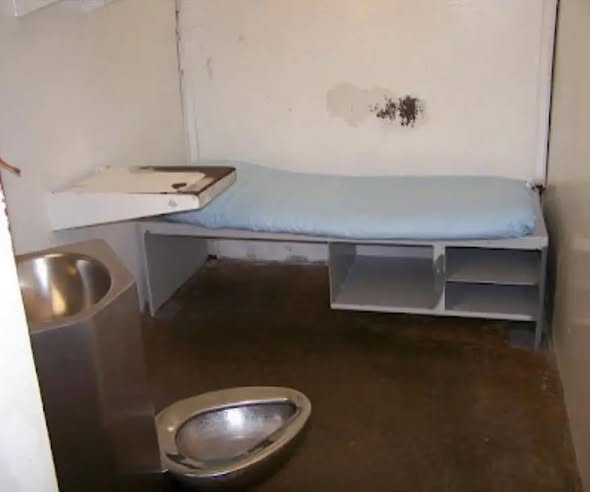
Horner, 34, admitted during trial proceedings that he kidnapped and strangled Athena Strand in 2022 while delivering a Christmas package to her family’s home. Prosecutors presented disturbing surveillance footage and testimony that shocked the courtroom, ultimately leading jurors to hand down the death penalty.
But for many observers, the sentencing was only the beginning of the horror story.
The Polunsky Unit has long carried a terrifying reputation inside the American prison system. Advocacy organizations and prisoners’ rights groups have repeatedly criticized the facility’s reliance on long-term solitary confinement, arguing that the conditions can destroy a person psychologically over time. One report described the environment as among the “harshest death row conditions in the country.”
Inside the unit, inmates reportedly sleep under constant surveillance cameras while guards conduct hourly checks through the night, making uninterrupted sleep nearly impossible. Cells contain little more than a metal bunk, a steel sink-and-toilet combination, and a narrow desk bolted to the wall. There are no televisions, no meaningful social interaction, and almost no escape from the echoing sounds of steel doors, shouting inmates, and endless isolation.
Former prisoners and critics have painted an even darker picture. Some inmates housed in similar Texas segregation units described years spent alone inside cement cages where mental deterioration became common. Others claimed the combination of sensory deprivation, noise, confinement, and isolation pushed prisoners toward breakdowns, paranoia, and emotional collapse.
The system was tightened dramatically after a notorious prison escape in Texas during the late 1990s, when officials moved toward stricter segregation policies designed to stop dangerous inmates from organizing or communicating. Since then, death row prisoners in Texas have remained under some of the most restrictive confinement conditions in the United States.
Despite automatic appeals in capital punishment cases, Horner could remain inside the Polunsky Unit for years — potentially decades — before an execution date is ever finalized. Texas records show some death row inmates have spent more than 40 years waiting inside the system, while the average stay before execution is just over a decade.
And deep inside that concrete isolation wing, where lights, cameras, steel doors, and silence replace the outside world, Tanner Horner now begins the next chapter of a punishment many believe is almost impossible to mentally survive.