SAVANNAH, GEORGIA — What was supposed to be the beginning of a family’s greatest dream became the center of an emotional battle few people could imagine.
For years, the couple had endured the exhausting journey familiar to many struggling with infertility: doctor appointments, procedures, financial sacrifices, and the emotional roller coaster that comes with placing hope in modern reproductive medicine. When they finally learned that an embryo transfer had resulted in a successful pregnancy, they believed their dream of becoming parents was coming true.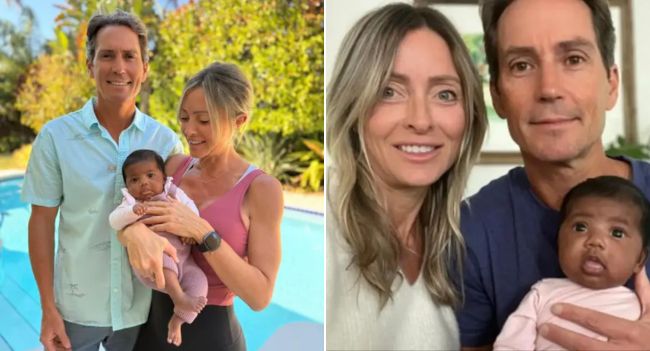
What they did not know was that a devastating mistake had already been made.
According to legal filings and statements connected to the case, an IVF clinic allegedly transferred the wrong embryo, resulting in a child being born and raised by a family that was not genetically related to the baby. The error would remain hidden until later testing revealed a truth that changed multiple lives forever.
The revelation triggered heartbreak on all sides.
The biological parents have now spoken publicly about the emotional consequences of discovering that their genetic child was being raised by another family. While they emphasized the complexity of the situation and the love involved, they admitted they would have preferred the opportunity to seek custody and raise the child themselves if circumstances had unfolded differently.
Their comments have reignited a painful debate about biology, parenthood, and the consequences of reproductive errors.
At the center of the case is a question with no easy answer: Who is the “real” parent when science, law, and human emotion collide?
For the family that carried, delivered, and nurtured the child, the bond was formed through daily life, sleepless nights, and countless milestones. For the biological parents, however, the discovery represented the loss of something they never even knew had been taken from them until years later.
Neither side emerged from the situation unscathed.
Court documents describe a deeply emotional process as lawyers, medical experts, and family members attempted to navigate the fallout from a mistake that should never have happened. Meanwhile, scrutiny has intensified around the fertility clinic involved, with critics questioning how such an error could occur in an industry built on precision and trust.
The case has also sparked broader concerns about safeguards within the IVF industry.
While embryo mix-ups are considered rare, reproductive specialists acknowledge that the consequences can be life-altering when they occur. The incident has prompted renewed calls for stricter oversight, enhanced verification systems, and greater transparency for patients placing their futures in the hands of fertility providers.
Yet beyond the legal arguments and medical discussions lies a far more personal tragedy.
The biological parents say they missed years they can never get back. First words. First steps. Birthdays. Everyday moments that existed without them knowing their child was out there. The emotional weight of that reality continues to shape every aspect of the case.
What makes the story even more haunting is a detail that has quietly attracted attention among those following the proceedings.
According to individuals familiar with the timeline, questions reportedly emerged long before the full truth was uncovered. Small inconsistencies, overlooked paperwork, and subtle concerns were allegedly discussed at various points but never connected into a larger picture. None of those issues were publicly recognized as evidence of a mix-up at the time.
Only later did they take on new significance.
Whether those warning signs could have exposed the mistake earlier remains unclear.
But as the families continue navigating the aftermath, one painful reality remains impossible to ignore: somewhere between the laboratory, the transfer procedure, and the years that followed, a single error changed the course of multiple lives.
And according to people familiar with the dispute, there may still be unanswered questions about exactly when the first signs of the mix-up appeared—questions that could become one of the most closely examined aspects of the case as the search for accountability continues.