WISCONSIN LAWMAKER FRANCESCA HONG FACES FRESH SCRUTINY AFTER VOTING AGAINST A BIPARTISAN ANTI-GROOMING BILL INSPIRED BY A TEACHER’S CONTACT WITH A 14-YEAR-OLD — AS THE REASON BEHIND HER “NO” VOTE NOW BECOMES THE CENTER OF A GROWING POLITICAL FIRESTORM

Wisconsin state Rep. Francesca Hong is facing renewed scrutiny over a vote that has become a major talking point in the state’s closely watched 2026 gubernatorial race. Hong was one of only six Assembly lawmakers to vote against legislation that would make child grooming a felony offense in Wisconsin. The bill passed the Assembly overwhelmingly, 93–6, before advancing through the Senate and ultimately being signed by Democratic Gov. Tony Evers.
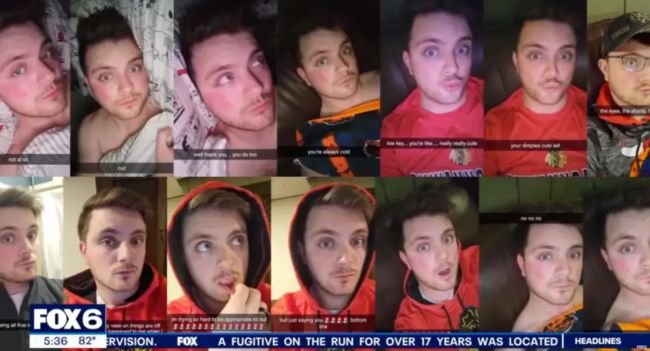

The legislation was introduced in the aftermath of the case involving former Kenosha teacher Christian Enwright, who was accused of cultivating an inappropriate relationship with a 14-year-old student. Investigators said Enwright exchanged more than 600 Snapchat messages with the teenager, including sexualized comments and inappropriate images. He ultimately pleaded guilty to 15 misdemeanor counts of disorderly conduct and was sentenced to 15 months in jail and three years of probation.

The case exposed a gap in Wisconsin’s existing criminal statutes. Prosecutors struggled to bring felony charges because there had been no sexual contact and the communications did not meet the legal threshold for certain existing offenses. Supporters of the new legislation argued that the conduct represented classic grooming behavior and that the law was necessary to give prosecutors a specific tool to intervene before abuse escalated.

Under the proposal, grooming would become a felony when an adult engages in a pattern of conduct intended to condition, seduce, solicit, lure or entice a child for sexual activity or sexually explicit material. The penalties become more severe in circumstances involving positions of trust, children with disabilities or multiple victims.

That is what makes Hong’s vote particularly politically explosive. Her colleagues who opposed the legislation argued that existing laws already covered the conduct and that the new statute was redundant. However, Hong has not publicly explained why she voted against the measure, according to the reporting. Her campaign did not immediately respond to requests for comment.

The controversy comes as Hong, a Democratic socialist representing Madison, competes in a crowded Democratic primary for governor. Her political history and previous statements on policing have already made her a polarizing figure, while her campaign has increasingly focused on issues including affordability, workers and opposition to large data-center projects.

The new law has since taken on an even more consequential role. Authorities have already used it in another case involving allegations that an adult targeted a cognitively impaired minor, underscoring why supporters argued that Wisconsin needed a specific anti-grooming statute rather than relying solely on existing offenses.

Now, the biggest unanswered question is not whether Hong voted against the bill — the legislative record makes that clear — but why she chose to join just five other lawmakers in doing so when the measure passed with overwhelming bipartisan support. Until she explains that decision, the six-vote margin will remain one of the most closely scrutinized details of her campaign.

Related Posts