‘His Final Words Lasted Only Moments—But They Could Never Erase What Happened To An 11-Year-Old Girl’: The Chilling End Of Florida Death Row Inmate James Duckett Has Reopened One Of The State’s Most Heartbreaking Child Murder Cases, While One Haunting Detail From The Night She Vanished Still Refuses To Fade

Inside Florida State Prison, the final chapter of a case that had haunted one family for nearly three decades came to an end with little fanfare. As witnesses gathered behind the glass and prison officials prepared the execution chamber, James Duckett—convicted of abducting, sexually assaulting and murdering an 11-year-old girl in 1996—faced the sentence that had followed him through years of appeals, legal challenges and repeated attempts to delay his execution.
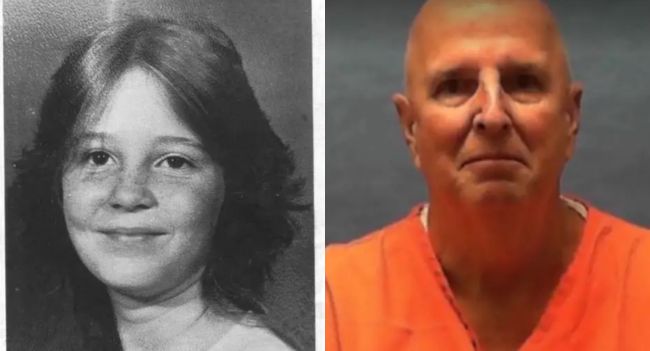


For the family of the young victim, however, the execution did not mark the beginning of closure. Instead, it reopened memories of a summer day that forever changed their lives.

The tragedy began in September 1996 when 11-year-old Nikki Whitehead disappeared while riding her bicycle near her home in Pensacola, Florida. Friends and relatives immediately began searching, hoping she had simply wandered farther than expected. Hours later, that hope was shattered when authorities discovered her body in a nearby wooded area. Investigators quickly determined she had been abducted, sexually assaulted and murdered, launching one of the region’s most intensive homicide investigations.

At first, detectives had few leads.

But forensic evidence collected from the crime scene eventually pointed investigators toward James Duckett, who had recently been released from prison after serving time for a previous sexual offense. DNA testing ultimately became the key piece of evidence linking him to the crime, while prosecutors argued the evidence left virtually no doubt about his guilt. A jury later convicted Duckett of first-degree murder, kidnapping and sexual battery before recommending the death penalty.

Over the next several decades, Duckett’s attorneys filed numerous appeals, raising questions about his mental health, intellectual functioning and the legality of his sentence. Courts repeatedly reviewed the case but consistently upheld both his conviction and death sentence, concluding that the evidence presented at trial remained overwhelming and that no legal grounds justified overturning the verdict.

Those appeals finally came to an end this week.

According to Florida prison officials, Duckett was executed by lethal injection after the U.S. Supreme Court declined to intervene. Witnesses reported that he made a brief final statement before the execution proceeded. Officials later pronounced him dead, closing one of Florida’s longest-running death row cases.

For Nikki’s loved ones, however, the pain has never been measured in court rulings or execution dates. Family members have spent nearly thirty years remembering the little girl whose future ended long before it had the chance to begin. Throughout every appeal, they continued attending hearings, waiting for a legal process that often seemed endless before finally reaching its conclusion.

Even after the execution, the case continues to resonate far beyond the courtroom. It has become another reminder of the enduring impact violent crimes against children leave on families, investigators and entire communities long after headlines disappear.

And while James Duckett’s final chapter has now officially ended, investigators and those closest to Nikki say one haunting truth has never changed: the evidence collected during those first critical hours in 1996 not only solved the case—it preserved the voice of an 11-year-old victim who could no longer speak for herself, ensuring that decades later, the facts of what happened that day would never be forgotten.

Related Posts