Daniel Adongo once represented one of football’s most remarkable success stories. A rugby standout from Kenya with virtually no football experience, he shocked the sports world when the Indianapolis Colts signed him in 2013, making him the first Kenyan-born player to reach the NFL. His journey was celebrated as proof that extraordinary athletic talent could break barriers no matter where it came from.
But more than a decade later, that inspiring narrative has ended in dramatically different fashion.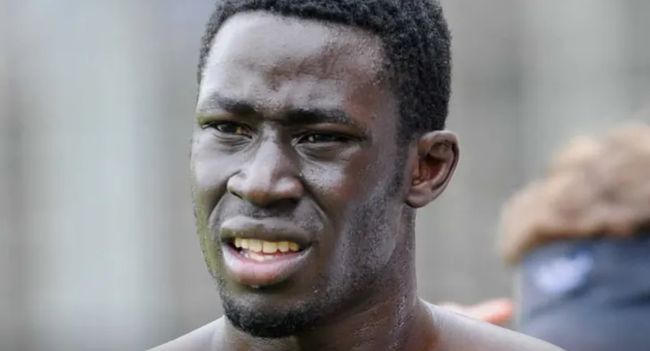
U.S. Immigration and Customs Enforcement (ICE) confirmed that Adongo was deported back to Kenya on June 20 after an immigration judge ordered his removal earlier this year. According to federal authorities, the former linebacker remained in the United States after his visa expired in 2016—one year after his NFL career came to an end.
The deportation, however, wasn’t based solely on an immigration violation.
Officials said Adongo accumulated a lengthy criminal history during the years following his football career. Court records cited by ICE include multiple arrests involving felony intimidation, battery, disorderly conduct and other offenses. In 2020, he was convicted of criminal mischief and sentenced to nearly a year behind bars. Authorities also stated that his most recent legal issues placed him under mandatory detention provisions of the Laken Riley Act before his eventual removal from the country.
For many football fans, the development is difficult to reconcile with the athlete they once watched chasing an improbable NFL dream.
Adongo’s path to professional football was unlike almost anyone else’s. Having built his reputation on the rugby field in South Africa and New Zealand, he caught the attention of NFL scouts because of his rare combination of size, speed and athleticism. Despite never playing organized American football, the Colts believed his physical gifts were worth developing.
Although he appeared in only five NFL games before being released in 2015, Adongo’s signing remained a historic milestone for Kenyan sports and inspired countless young athletes who believed they, too, could reach the world’s biggest football league.
Behind the scenes, however, life after football appeared to become increasingly turbulent.
Reports over the years revealed repeated encounters with law enforcement, while previous court proceedings also referenced concerns surrounding his mental health. Members of Adongo’s family have argued that his behavioral struggles may have been connected to mental health issues that emerged after his athletic career, adding another layer of complexity to a story that extends far beyond sports headlines alone.
ICE officials maintained that immigration laws apply equally regardless of a person’s fame or professional accomplishments, emphasizing that Adongo’s removal followed both the expiration of his legal status and years of criminal proceedings. The agency described his deportation as part of its broader effort to enforce immigration law against individuals with criminal records.
What remains is one of the most dramatic reversals in recent NFL history—a man who once embodied hope, possibility and international achievement now returning to the country where his remarkable journey first began, leaving behind lingering questions about how one of football’s most unlikely success stories unraveled so completely.