Why Prince William’s Graham Norton Appearance Breaks With Royal Tradition
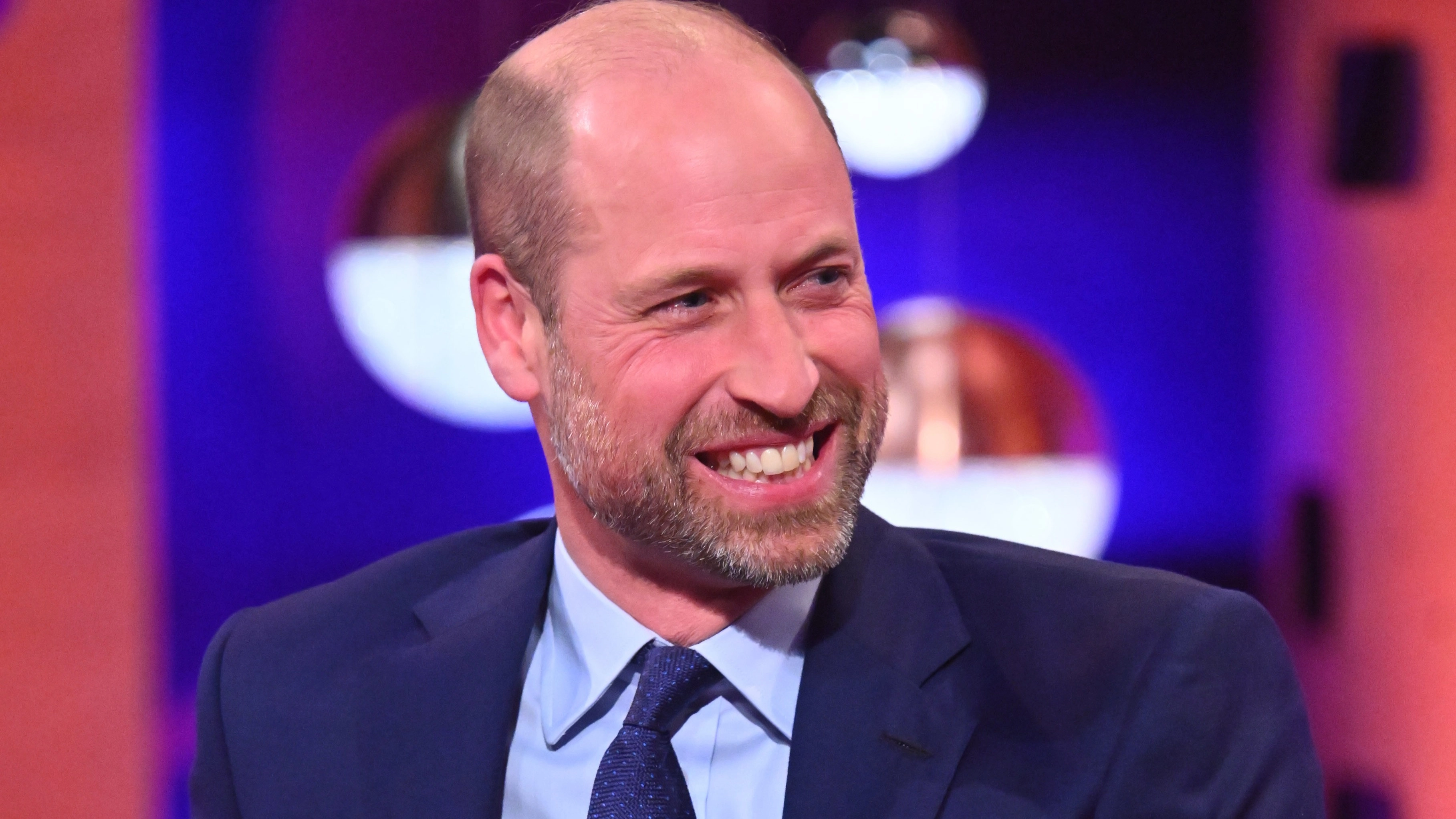
Prince William made television history this week by becoming the first member of the Royal Family to appear on The Graham Norton Show, taking a seat on the BBC programme’s famous red sofa for an unexpectedly relaxed conversation.
The Prince of Wales made a surprise appearance during filming, prompting cheers and gasps from the studio audience. The pre-recorded episode aired on Friday, 23 October 2026, with William joining fellow guests Cate Blanchett, Robert Irwin and Hannah Waddingham.
During the show, William discussed his environmental work through the Earthshot Prize, which he founded in 2020, his support for Aston Villa and his admiration for filmmaker Christopher Nolan.
His appearance also raised a broader question: why are members of the Royal Family so rarely seen in informal television interviews, particularly on entertainment programmes known for spontaneous conversations and unexpected revelations?
Why royals are cautious about television interviews
Unlike actors, musicians and other celebrities, who often use chat shows to promote their latest projects, members of the monarchy must navigate a more complicated relationship with the media.
Their public image is closely tied to the institution they represent. Maintaining political neutrality, protecting their privacy and avoiding remarks that could be taken out of context all influence how and when they speak publicly.
Royal communications therefore tend to focus on official speeches, recorded messages, documentaries and interviews connected to particular causes or significant milestones. A spontaneous conversation on a comedy chat show offers considerably less control over the questions asked and the direction the discussion might take.
Laura Clancy, a lecturer in media at Lancaster University, explained the dilemma to The New York Times in 2022.
“They have to be visible to remain in the public imagination, or they’re just rich people locked in a palace,” she said. “But they also need to be invisible, because if you’re too visible, people start asking questions.”
William’s appearance on The Graham Norton Show placed that balancing act in the spotlight. The programme is known for its playful atmosphere, unscripted exchanges and moments that can quickly circulate online, making it a very different setting from the carefully managed royal engagements audiences are accustomed to seeing.
The Queen’s complicated relationship with television
Queen Elizabeth II never gave a traditional sit-down television interview, although broadcasting played a major role in her reign.
Her coronation in 1953 marked a turning point in British television history, with millions of households purchasing their first television sets to watch the historic event live.
The occasion demonstrated the medium’s ability to bring the monarchy directly into people’s homes. Yet the Queen generally maintained a cautious approach to personal television appearances, favouring formal addresses and carefully planned public communications over open-ended interviews.
The experiences of other senior royals help explain why that caution endured.
The televised interviews that changed the royal narrative

In 1995, Princess Diana gave one of the most consequential royal interviews in modern British history when she spoke to Martin Bashir for the BBC’s Panorama.
Diana discussed the breakdown of her marriage to the then-Prince Charles, famously remarking: “There were three of us in this marriage, so it was a bit crowded.” She also spoke candidly about her mental health struggles.
An estimated 23 million people in the UK watched the interview. Its revelations generated enormous public attention and reportedly displeased Queen Elizabeth II.
The circumstances surrounding the interview subsequently became the subject of intense scrutiny, particularly the methods Bashir used to secure Diana’s participation.
A year earlier, in June 1994, Charles had taken part in an ITV interview with journalist Jonathan Dimbleby. Watched by approximately 13 million people, the programme included Charles’s admission that he had been unfaithful during his marriage to Diana, in the context of his relationship with Camilla.
Although neither interview took place on a celebrity chat show, both demonstrated the risks of allowing the public an unusually intimate view of royal relationships.
The revelations dominated headlines and continued to shape perceptions of the monarchy long after the broadcasts. They also illustrated how a single television appearance could have consequences far beyond the programme itself.
Against that history, William’s decision to join Norton’s famously informal sofa becomes particularly noteworthy. Rather than appearing in a tightly focused interview about a specific royal issue, he entered a setting where humour, personal anecdotes and unexpected questions are central to the format.
Prince William is not the first royal to appear on a chat show
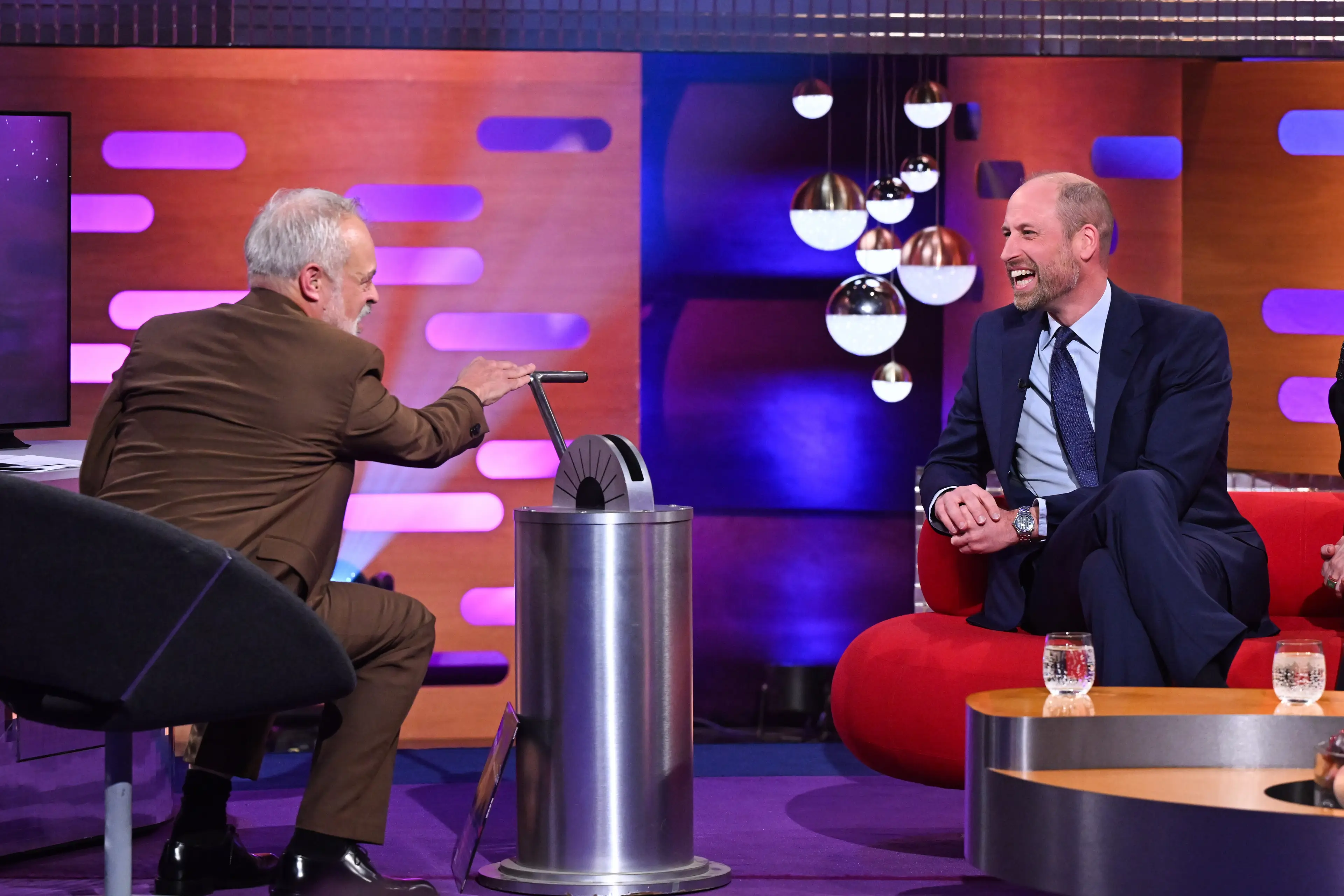
Despite the significance of William’s appearance, he is not the first member of the Royal Family to participate in a television chat show.
Princess Anne appeared on Terry Wogan’s BBC programme Wogan in 1985. Her father, the late Prince Philip, followed with an appearance on the same show in 1986.
William’s appearance on The Graham Norton Show therefore marks a notable first for the programme itself, rather than the first time a royal has ever taken part in this kind of television conversation.
His willingness to appear alongside high-profile entertainers and discuss interests beyond official royal duties suggests a more informal approach to public engagement. Nevertheless, the monarchy’s longstanding concerns about privacy, public perception and the unpredictability of live conversation help explain why such appearances remain relatively uncommon.
For William, the interview offered an opportunity to reach viewers in a setting far removed from a traditional royal engagement — while demonstrating just how carefully the Royal Family must balance visibility with discretion.