As public debate surrounding the Karmelo Anthony murder trial continues to rage across social media and news platforms, the judge who presided over the closely watched case is now offering one of his clearest defenses yet of how the proceedings were handled.
Judge John Roach Jr., who oversaw the trial that resulted in Anthony’s conviction, recently stated that he believes the case was conducted in a manner that was “100% fair.” The remarks come as critics and supporters alike continue to scrutinize virtually every aspect of the trial, from jury selection and courtroom access to witness testimony and media coverage.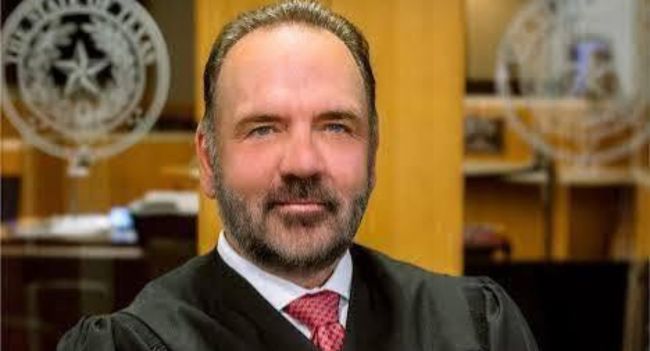
According to Roach, fairness—not publicity—was the guiding principle behind several of the most controversial decisions made during the proceedings.
Among those decisions was the imposition of a gag order that restricted public commentary surrounding the case. While critics argued that the restrictions limited transparency and fueled speculation, Roach said his primary concern was protecting the integrity of the judicial process and safeguarding the young people who would ultimately take the witness stand.
That concern became particularly significant because several teenage witnesses were expected to provide testimony during the trial. Roach indicated that shielding those individuals from outside pressure, online harassment, and public scrutiny was a key factor in determining how the case would be managed.
For supporters of the judge’s approach, the explanation reinforces the idea that courtroom fairness sometimes requires limits on public access and media exposure. They argue that high-profile trials can quickly become distorted by social media narratives, especially when young witnesses find themselves caught in the center of national attention.
Others remain unconvinced.
Critics continue to question whether the restrictions struck the right balance between protecting participants and maintaining public confidence in the process. Some have argued that limiting public visibility only fueled suspicions and allowed competing narratives to flourish without immediate clarification.
What makes the discussion particularly fascinating is that Roach appears remarkably confident despite the ongoing controversy. Rather than expressing regret or second-guessing his decisions, he has consistently maintained that the trial achieved its intended goal: allowing jurors to evaluate evidence without external interference and reach a verdict based solely on what occurred inside the courtroom.
Yet one detail has quietly attracted attention among legal observers.
Several individuals familiar with the proceedings have noted that concerns about witness safety and outside influence reportedly emerged much earlier than many members of the public realized. While most of those discussions occurred away from public view, some court-watchers believe they may help explain why the judge seemed determined from the outset to keep tighter control over information surrounding the case.
Whether those behind-the-scenes concerns will ever become fully public remains unclear.
For now, Judge Roach’s message is straightforward: he believes the system worked exactly as it was supposed to. But as the public continues debating what happened inside—and outside—the courtroom, the question that refuses to disappear is whether confidence in a verdict depends solely on fairness itself, or on whether people believe they were allowed to see enough of the process to trust it.