EDWARDS AIR FORCE BASE, CALIFORNIA — Friends remember him as the man who never stopped smiling when he talked about his family.
Just weeks ago, Jeromy Smith was celebrating life as a husband, a father, and a flight test engineer working on one of the U.S. military’s most ambitious aviation modernization projects. Today, his name is among the eight victims of the catastrophic B-52 bomber crash that erupted into flames shortly after takeoff from Edwards Air Force Base.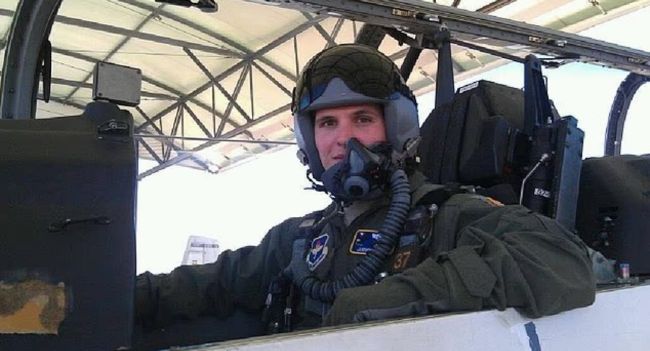
The tragedy has shocked military communities across the country. Yet as investigators work to determine what brought the aircraft down, attention is increasingly turning to the final days before the flight — and to conversations that now seem impossible to ignore.
According to family members, Smith had spoken about ongoing issues involving the aircraft before the mission finally received clearance to fly. The bomber had reportedly experienced technical concerns that caused multiple delays in the days leading up to takeoff. While crews believed those problems had been resolved, the repeated postponements have become a significant point of interest in the investigation.
On Monday morning, the mission finally moved forward.
The B-52 departed Edwards Air Force Base as part of a radar modernization test program designed to extend the life of the legendary bomber fleet. The aircraft climbed into clear skies over the California desert. Minutes later, something went terribly wrong. Flight data reviewed by investigators reportedly shows the aircraft making an unusual maneuver before rapidly descending toward the ground. There were no survivors.
For Smith’s wife, the loss remains almost impossible to comprehend.
In interviews following the crash, she revealed that her husband had voiced concerns about the aircraft before the fatal mission. She has not suggested that those concerns directly caused the disaster, but the timing has left many wondering whether the warnings were simply routine observations from an experienced engineer — or an overlooked clue that only gained significance after tragedy struck.
The crash has also renewed attention on the demanding world of military flight testing.
Unlike routine operations, test missions often involve aircraft carrying experimental systems, upgraded technology, or newly modified components. The B-52 involved in the accident was participating in a radar modernization effort intended to keep the Cold War-era bomber flying well into the future. Investigators are now examining every aspect of the mission, including maintenance records, flight-control systems, and communications leading up to departure.
Meanwhile, loved ones continue sharing memories of the eight men who boarded the aircraft that morning and never returned home.
Among the photographs circulating online is an image of Smith smiling with his family — a snapshot taken shortly before the fatal mission. For many who have followed the story, the photo has become a symbol of everything that was lost that day.
Yet one detail continues to attract quiet attention.
Sources familiar with the investigation say officials are carefully reconstructing the timeline surrounding the repeated delays that occurred before the flight was ultimately approved. Investigators have not indicated that those delays were connected to the crash, and no conclusions have been reached.
But as experts sift through maintenance logs and technical reports, one unanswered question remains hanging over the investigation:
Were the postponements merely routine setbacks common in military aviation, or were they the earliest signs of a problem that revealed itself only after the bomber left the runway?
For now, that answer may be buried somewhere within thousands of pages of records — and perhaps within conversations that seemed ordinary until the aircraft never came back.