For years, Bode Miller was known as one of the most fearless athletes in American sports — a skiing icon whose daring style helped redefine alpine racing and earned him six Olympic medals, including a gold medal at the 2010 Winter Olympics. But this week, the decorated champion found himself making headlines for a very different reason.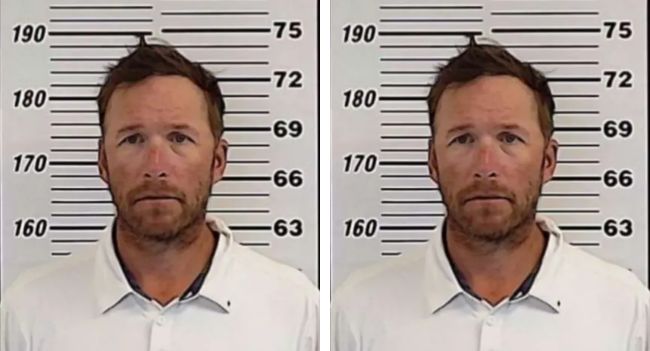
The 48-year-old Olympic legend is now facing misdemeanor drug charges after an arrest in Idaho earlier this month, a development that has shocked many fans who have followed his remarkable career and personal struggles over the past decade. According to court records, Miller was charged with possession of a controlled substance and possession of drug paraphernalia following a June 6 incident. Authorities allegedly discovered 4.1 grams of psilocybin mushrooms during the encounter, leading to his arrest and subsequent release on a $5,000 bond. Miller has pleaded not guilty, and a pretrial hearing is scheduled for July 29.
The timing of the arrest has only added to the attention surrounding the case.
The incident occurred just days before the eighth anniversary of one of the most devastating moments in Miller’s life — the drowning death of his 19-month-old daughter, Emeline, in 2018. The tragedy profoundly changed the skier and his family, who later became advocates for water safety and drowning prevention. For many observers, the proximity of the arrest to that painful anniversary has created an emotional backdrop that makes the story even more difficult to process.
Yet the case may not be as straightforward as it initially appeared.
Shortly after reports of the arrest emerged, Miller publicly disputed key aspects of the allegations. In statements shared online, he claimed the substances did not belong to him and instead belonged to a friend who was traveling with him at the time. Miller insisted that he cooperated fully with law enforcement and expressed confidence that a review of the facts would ultimately clear his name.
That response immediately shifted attention toward what exactly happened during the traffic stop.
Court documents indicate the case originated from a roadside encounter in Idaho, a state known for maintaining some of the strictest drug laws in the country. While possession charges involving psilocybin mushrooms have become less controversial in certain parts of the United States due to growing research into psychedelic-assisted therapies, Idaho continues to prohibit the substance. As a result, even a relatively small quantity can lead to criminal charges.
For fans of the skiing legend, the allegations stand in stark contrast to the image Miller cultivated throughout his career. Known for pushing boundaries on the slopes, he became one of the most recognizable figures in winter sports, collecting Olympic medals across multiple Games and earning induction into the U.S. Olympic & Paralympic Hall of Fame. Even after retirement, he remained a visible presence in the skiing world through broadcasting and public appearances.
Now, however, the focus has shifted from mountain peaks to courtroom proceedings.
And amid the headlines, one unanswered detail continues to generate quiet speculation.
While Miller insists the drugs belonged to someone else, very little information has been publicly released about the other individual reportedly present during the traffic stop. Court filings have revealed only fragments of the encounter, leaving a gap in the story that investigators — and increasingly, the public — may eventually want explained. Whether that missing piece becomes significant in court remains unclear.
For now, the celebrated Olympian remains adamant that he is not responsible for the substances at the center of the case. But as the legal process moves forward, many believe the most important details may not yet be public — and that the next court hearing could reveal a side of the story that has remained hidden since the day the patrol lights first appeared in the rearview mirror.