LIMEIRA, BRAZIL — What began as a shocking accident has rapidly evolved into one of Brazil’s most disturbing criminal investigations, with new details emerging almost daily about the fatal rope-jump incident that claimed the life of 21-year-old Maria Eduarda Rodrigues de Freitas.
The university student arrived at the remote Skeleton Bridge site expecting an adrenaline-filled adventure. Instead, she became the victim of a catastrophic failure that investigators say should never have been possible.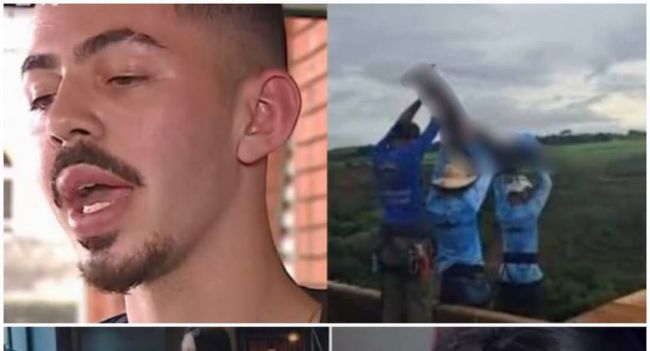
Authorities allege Maria was launched from the bridge without being attached to the safety ropes designed to stop her fall. Witnesses watched in horror as she plunged approximately 130 feet into the ravine below. Prosecutors later charged three instructors with homicide, arguing that the risk of death should have been obvious to those responsible for operating the jump.
As the investigation widened, several revelations began attracting national attention.
According to investigators, the instructors allegedly struggled to explain who was responsible for the final safety verification. During questioning, all three reportedly claimed they could not remember who was supposed to attach or inspect the rope before Maria was sent off the platform. The explanation immediately triggered outrage across Brazil, where many questioned how such a critical responsibility could simply be forgotten.
But that was only the beginning.
Witnesses later told police that a GoPro camera had been recording the jump. The device may have captured the final preparations, the last conversations on the bridge, and the crucial seconds before the fatal plunge. Yet according to testimony provided to investigators, the camera was allegedly removed after the accident and has not been recovered. Detectives are now attempting to determine what happened to the missing footage and whether it could provide answers unavailable anywhere else.
Meanwhile, old social-media videos linked to one of the accused instructors have resurfaced online, creating an entirely new controversy.
The recordings allegedly show dark jokes involving body-shaped objects being thrown from the same bridge years before the tragedy occurred. While supporters insist the videos were intended as humor, critics argue they reveal a disturbing culture surrounding the operation and raise uncomfortable questions about attitudes toward safety.
Investigators are also examining reports that the rope-jumping activity may not have been operating with proper authorization at the time of the incident. If confirmed, that finding could significantly increase scrutiny of how the attraction was managed and whether previous warnings were ignored.
For Maria’s family, each new development brings fresh heartbreak.
Friends describe her as ambitious, energetic, and passionate about sports and education. Just hours before the tragedy, she reportedly shared images from the site, unaware that the outing would become her final day.
Yet one mystery continues to hover over the case.
Sources familiar with the investigation say detectives remain intensely focused on a narrow period immediately after the fall. Officials have not disclosed exactly why those minutes are so important, but multiple witness accounts reportedly place investigators’ attention on actions taken at the scene before police fully secured the area.
Whether those details ultimately prove crucial remains unknown.
But with missing footage, conflicting testimony, resurfaced videos, and unanswered questions about who performed the final safety checks, authorities are increasingly treating the case as far more than a simple accident.
And somewhere within those missing moments may be the detail that finally explains how a routine thrill jump became a national tragedy.