Bradley Walsh Exposes His New Game Show As A Fake After Viewers Watch Contestant Lose £6,000 In Disturbing Gambling Stunt
Bradley Walsh has pulled back the curtain on his controversial new Channel 4 game show, revealing that the entire production was an elaborate deception designed to expose the dangers of gambling addiction.
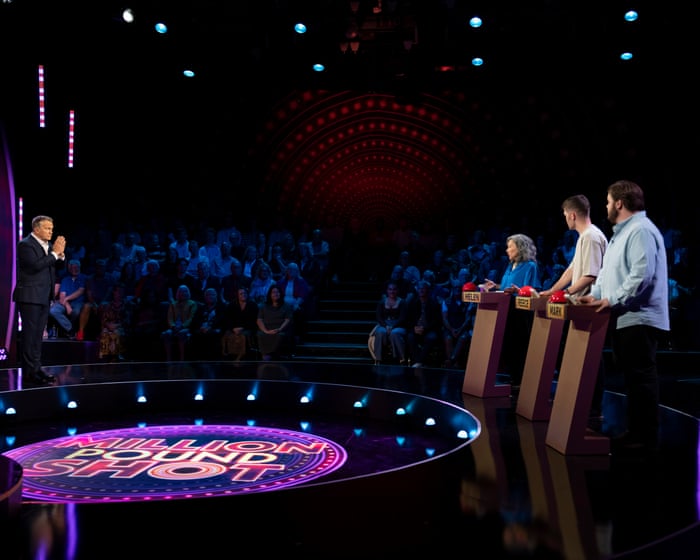
Million Pound Shot had been heavily promoted as a high-stakes entertainment format in which contestants risked their own money for the chance to win £1million. But after a tense broadcast left viewers watching a seemingly desperate player lose thousands of pounds, Walsh revealed the truth: the contestants, their emotional reactions and even a heckler in the audience had all been part of a carefully staged performance.
The 66-year-old presenter said he had agreed to take part because he felt strongly about the UK’s gambling problem. The reveal transformed what initially appeared to be a controversial new game show into a stark warning about how the gambling industry can manipulate its customers.

A Contestant Appears To Lose £6,000 As Tensions Explode
The programme began by introducing three supposed contestants, but it was a player named Reece who became the focus of the night’s most uncomfortable scenes.
Despite admitting that money was tight, Reece claimed he had £1,700 available to gamble. The format encouraged players to wager according to their confidence in answering general knowledge questions, with each correct answer offering the opportunity to win Bet Balls carrying a monetary value.
Contestants could cash out or take greater risks to increase their potential winnings, with the ultimate prize set at £1million.
As the rounds progressed, Reece appeared increasingly caught up in the game, making bigger and riskier decisions. The atmosphere in the studio grew increasingly tense as viewers were led to believe he had lost a staggering £6,000 of his own money.
Then came the moment that brought the apparent game to a halt.
With Reece considering whether to use his overdraft to fund another Bet Ball, Walsh offered him the chance to push himself further into debt.
An audience member could no longer stay silent.
“Is no one else here seeing what I’m seeing, is there no one else that thinks this is wrong?” the woman shouted.
She continued: “The whole concept of this is disgusting, I’m worried about him, he shouldn’t be put under this kind of pressure.”
The confrontation appeared to capture the growing unease in the studio. Reece’s girlfriend, Leslie, looked distraught as the pair were eventually led off the stage.
But the most startling revelation was still to come.

Bradley Walsh Reveals The Entire Show Was Staged
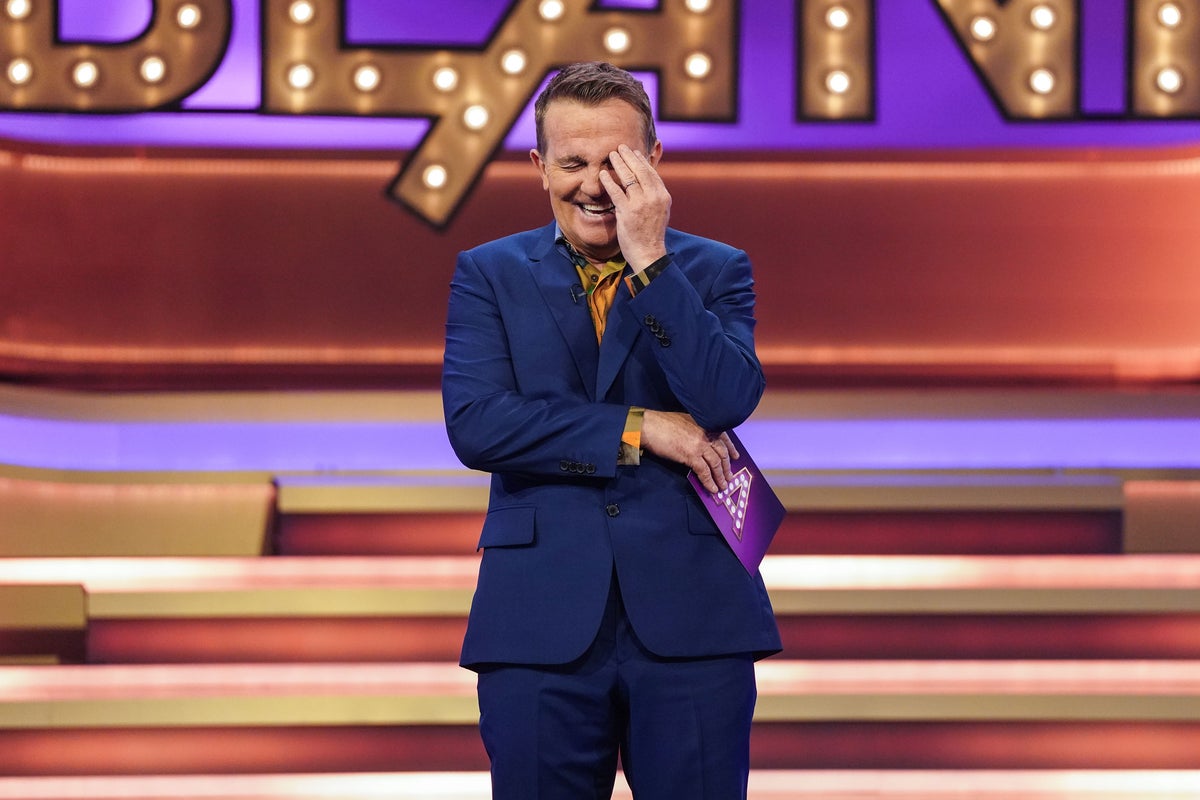
As the studio lights came up, Walsh addressed the audience and revealed that the apparent gambling disaster had been a performance from the beginning.
“Our contestant Reece has been played by an actor, so was his girlfriend Leslie, the other contestants, the floor manager, even our heckler in the audience,” he explained.
“Everything you have seen tonight draws on the techniques used by the gambling industry to manipulate its customers.”
The revelation exposed the programme’s central premise as a carefully constructed social experiment rather than a genuine competition involving contestants’ personal finances.
Walsh thanked the audience for attending and urged them to take the message seriously.
“I feel strongly about this, which is why I’ve taken part in the show. I wanted to share with you how dangerous this industry can be,” he said.
The 60-minute programme also demonstrated how the language used throughout the supposed game had been modelled on phrases associated with well-known betting companies.
Rather than simply warning viewers about gambling in the abstract, Million Pound Shot used a deliberately uncomfortable scenario to show how pressure, escalating risks and the prospect of recovering losses can draw people deeper into a dangerous cycle.
The Real Gambling Addiction Story Behind Reece’s Character
Although Reece was played by an actor, the character’s story was inspired by the real-life experiences of Patrick, a teacher whose gambling addiction began while he was at university.
Patrick recalled placing just £2 into a roulette machine at his local bookmakers while hungover with friends.
He won £72. That seemingly modest payout became the starting point of a 13-year struggle with gambling.
As his addiction intensified, Patrick’s financial situation deteriorated dramatically. He eventually resorted to asking the parents of the pupils he taught for money, using excuses including emergency dental treatment and problems with his car.
His debts ultimately reached £300,000.
Patrick’s final bet came during the Cheltenham Festival in 2018, when he found himself contemplating the devastating consequences of losing.
“If I win all the money back, life can continue. If that horse didn’t win, I was going to go and do the unthinkable and kill myself,” he told viewers.
The horse lost.
Patrick later described his emotional state in stark terms: “I felt nothing, I was just broken.”
His account provided the programme’s most sobering reminder that gambling losses can extend far beyond money, affecting a person’s relationships, livelihood and mental health.
Inside The Secrecy Surrounding Channel 4’s Gamble
The Daily Mail has revealed the lengths producers went to in order to keep the stunt under wraps before transmission.
The programme was filmed just over two weeks before broadcast at a studio in Maidstone, an unusually quick turnaround for a game show.
According to an insider, audience members believed they were attending a recording of Bradley Walsh’s new programme and were not told the full nature of the production in advance.
When they arrived, they were presented with nondisclosure agreements and told they would not be allowed into the studio unless they signed.
The insider said: “The show was only recorded just over two weeks ago in a studio in Maidstone, which is an incredibly fast turnaround for a game show.
“Members of the audience were under the impression they would be watching an episode of the new show with Bradley being recorded, but they were kept completely in the dark.
“Once they arrived, they were handed a nondisclosure agreement and told if they didn’t sign it, they would not be allowed in.
“To comply with broadcasting standards, they were only told the recording would contain themes of gambling.”
The secrecy was central to the programme’s approach: by keeping the audience unaware that the contestants were actors, producers could capture reactions to a scenario that appeared to be unfolding in real time.

Gambling Commission Highlights Consumer Protections
The programme’s message comes as concerns about gambling-related harm remain a significant issue in the UK.
The Gambling Commission says it has introduced a range of consumer protections in recent years, including tighter rules governing free bets.
It also states that all gambling operators are required to monitor customers for warning signs of harm and take appropriate action when those signs emerge.
For Walsh, Million Pound Shot offered a way to bring those concerns directly into viewers’ living rooms.
What began as the apparent launch of a high-stakes game show ended with a very different message: the people on screen had been acting, but the manipulation techniques and the devastating consequences of gambling addiction depicted throughout the programme were rooted in real concerns.
The £1million prize was never the real point. The programme was designed to make viewers question what happens when the pursuit of one big win begins to outweigh the risks of losing everything.